
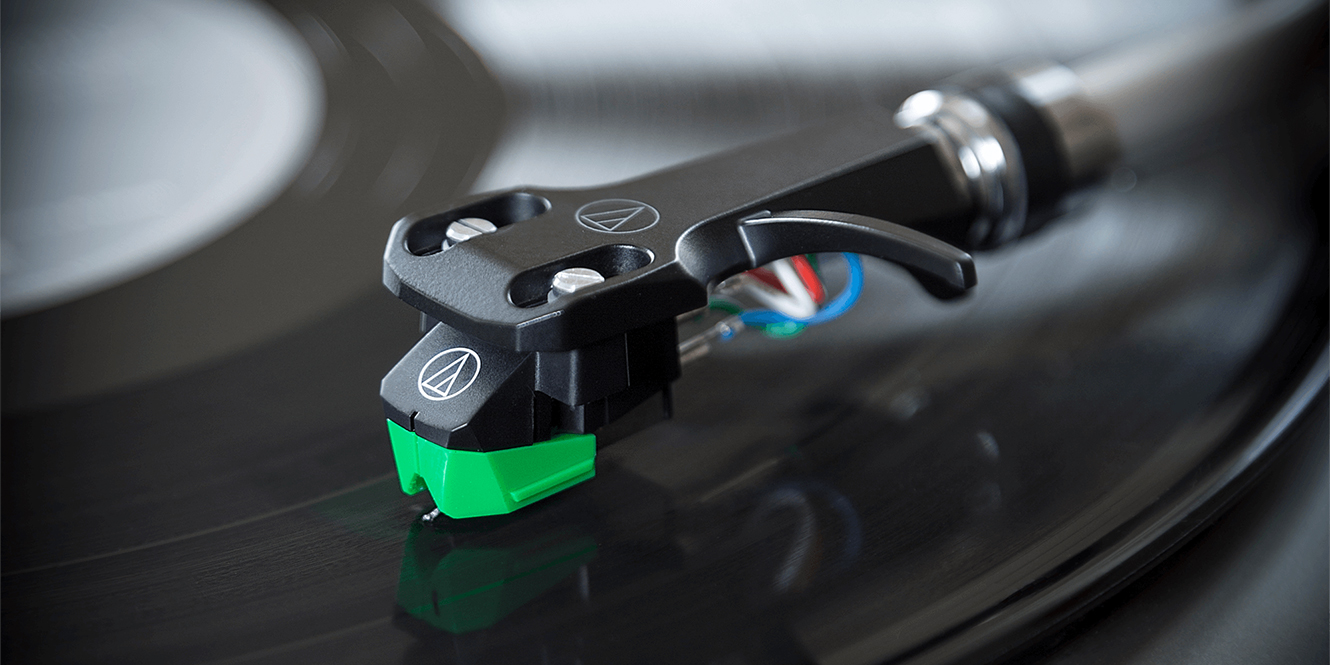

Turntable cartridges… what’s the point? Well, the point is the stylus. But the point of a cartridge is what happens next. The cartridge is doing the real work, transforming those tiny movements of the stylus into an electrical signal your amp can actually turn into music. No cartridge, no real sound. Just the nice, quiet analogue audio of the needle physically tracking the grooves.
Inside, it’s all magnets and coils. In moving magnet designs, the magnet moves through the coils; in moving coil designs, the coils move over the magnet. There are no points for guessing how their names were created! The same principle, different personalities. MM gives you punch and warmth, MC gives you precision and detail.
So, why spend more? Better cartridges do everything with more control. Less noise, tighter tracking, smoother dynamics. It’s not about louder or fancier, it’s about audio honesty. If it’s 10 am on a Monday and all this talk on cartridges is too much to handle, don’t worry. In this article, I’ve broken it down for you and provided recommendations for the best cartridges on the market right now.
In a hurry?
If you’re after the best of the best, here are our top three.
| Ortofon 2M Blue | The best value for money and the poster child of upgradability | Check the current price |
| Audio Technica AT-VM95E | Affordable - the best for beginners on a budget | Check the current price |
| Ortofon Quintet Black S | The best value for money when it comes to MC cartridges | Check the current price |
Why we’ve chosen these cartridges
We’ve picked these cartridges with a few things in mind. You’ll find both moving magnet and moving coil options here, just to give you a flavour of what each type brings to the table. We’ve also covered a few different price points, so this isn’t one of those “more money equals better” situations.
Each of these has been tested, compared, and argued about more times than I’d care to admit, both in demo rooms and over endless cups of coffee. The goal wasn’t to find the most expensive, but the ones that genuinely make you want to spin another record. It’s about sound that feels good, not specs that look good.
As a tight-fisted Yorkshireman, I’m a big believer in hitting that sweet spot on the curve of diminishing returns. And in the hi-fi world, that curve is firmly in your favour at the sensible end of the scale. Once you climb higher, the prices go up faster than the improvements do.
I’ll admit, there’s a bit of my own bias in the mix. But after years in this industry, I’d like to think that counts for something. Basically, everything on this list is great, by general consensus, and by me.
The best cartridges
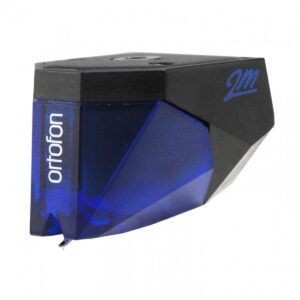
1. Ortofon 2M Blue – Best value for money
 Key features
- Nude elliptical stylus profile
- Moving magnet design
- Detachable stylus
Pros
- Clear, detailed sound with excellent separation
- Handles complex music with precision
- Upgradeable from the 2M Red
Cons
- Slightly analytical for those who prefer warmth
The Ortofon 2M Blue is one of those cartridges that needs little introduction. Alongside its sibling, the 2M Red, it has become something of a poster child for what a great cartridge and stylus combination should be. The Red gives you a taste, the Blue delivers the full experience with sound that’s clean, open, and effortlessly detailed.
This model swaps out the bonded tip for a nude elliptical stylus, allowing it to trace grooves with greater accuracy and capture more of the subtle information that gives music its texture and depth. The result is a presentation that feels crisp and engaging without ever crossing into harshness.
Build quality is typically Ortofon: solid, neat, and made to last. You can technically swap in any of the other coloured 2M styli if you want to experiment. Just be aware that once you go beyond the Blue and Red, you start to do a bit of a disservice to the stylus itself. But you can do it if you really want to.
For many vinyl fans, the 2M Blue marks the point where hi-fi starts to get properly exciting. To learn more, check out our Ortofon cartridges guide.
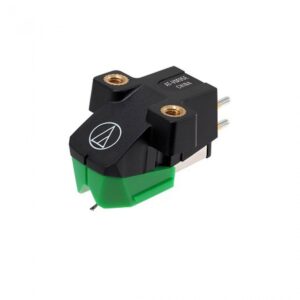
2. Audio-Technica AT-VM95E – Best for beginners on a budget
 Key features
- Elliptical stylus profile
- Dual magnet design
- Compatible with upgraded stylus options
Pros
- Excellent value for money
- Smooth, balanced sound for the price
- Easy to align and maintain
Cons
- Can sound a little polite in the upper range
The Audio-Technica AT-VM95E has become a bit of a benchmark for entry-level cartridges. It’s well-built, easy to fit, and has a sound that feels far above its pay grade. The tone is even and confident, with a nice balance between warmth and clarity that works across all genres.
The cartridge tracks cleanly and handles surface noise well, so even older or well-loved records come through with a bit more polish. The elliptical tip keeps playback smooth and stable, while the dual magnet design delivers a focused stereo image that feels open without ever being sharp, and most importantly, never being fatiguing.
What really makes the AT-VM95E stand out is how flexible it is. The body accepts a range of upgrade styli, so you can easily step up performance without starting over.
For the money, these are fantastic little gems.
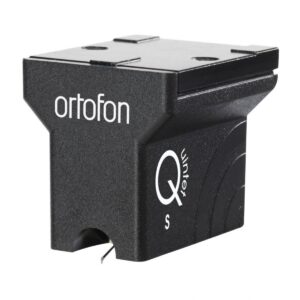
3. Ortofon Quintet Black S – Best MC value for money
 Key features
- Nude Shibata stylus profile
- Low-output moving coil design
- Sapphire cantilever for precise tracking
Pros
- Deep, natural sound with incredible resolution
- Expansive stereo image and fine detail
- Premium engineering and materials throughout
Cons
- Requires the right phono stage or step-up device
The Ortofon Quintet Black S is a serious piece of kit. It represents the point where moving coil cartridges start to make real sense, giving you that extra depth, texture, and realism that moving magnets can only get close to. The sound has weight and dimension, but it always feels natural and unforced.
Moving coil cartridges work a little differently from their moving magnet cousins. Instead of a magnet moving over fixed coils, the coils themselves move within a magnetic field. Because the coils are smaller and lighter, they can respond faster and more accurately to the groove, capturing finer detail and subtle dynamic shifts.
The trade-off is a much lower electrical output, which means you’ll need a compatible phono stage or step-up transformer to bring the signal up to line level.
Everything about the Quintet Black S feels purposeful. The rigid, precisely machined body keeps unwanted resonance at bay, while the sapphire cantilever and Shibata stylus work together to extract every ounce of information from the record.
It’s not cheap, but in the world of moving coils, this is where value still lives before prices start getting carried away.
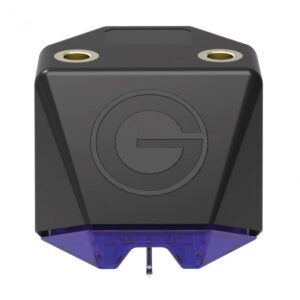
4. Goldring E3 – Best step-up for beginners
 Key features
- Elliptical stylus profile
- Moving magnet design
- Replaceable stylus unit
Pros
- Clean, open sound with solid stereo imaging
- Forgiving enough for less-than-perfect records
- Simple to install and maintain
Cons
- Lacks the fine detail of pricier options
The Goldring E3 sits comfortably in that sweet spot where real performance meets sensible money. It’s designed for anyone moving past the “included with the turntable” cartridge and wanting to hear what their records actually sound like. At £89, it’s not trying to be anything it’s not.
The moving magnet setup keeps things simple and reliable, while the elliptical stylus digs into the groove with enough precision to reveal subtle details without making older records sound harsh. It’s got that slightly warm, balanced but natural tone that suits most systems and keeps your listening sessions relaxed but present.
Build-wise, it feels solid without being overengineered. The body is rigid, the stylus assembly clicks in confidently, and replacements are easy to find. The result is a cartridge that feels properly thought through rather than cost-cut.
In short, the E3 is a proper first upgrade. It shows you what better sound actually means without demanding a small fortune for the privilege.
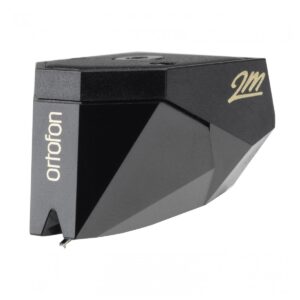
5. Ortofon 2M Black – Best high-end MM
 Key features
- Nude Shibata stylus profile
- Moving magnet design
- Replaceable stylus with 2M range compatibility
Pros
- Exceptionally detailed and dynamic sound
- Outstanding channel separation and clarity
- High-end build quality and finish
Cons
- Brutally honest with poor pressings
The Ortofon 2M Black is an absolute marvel of a cartridge assembly. It takes the core concepts behind the 2M Red and Blue and turns them up to eleven. The result is a cartridge that extracts every ounce of detail from the groove while still keeping the musicality and balance that make the 2M range so popular.
Its nude Shibata stylus digs deep into the record, capturing subtle textures and space with real precision. The sound feels alive, with a sense of depth and separation that makes familiar albums hit differently. It’s revealing, but never clinical.
As with the other 2M models, you can technically fit any of the different colour styli to the same cartridge body if you like to experiment. Once you reach the Black though, you’ve already hit the top of what this design can deliver. Beyond this, you start drifting into moving coil territory.
If you want your records presented exactly as they were cut, this is the one.
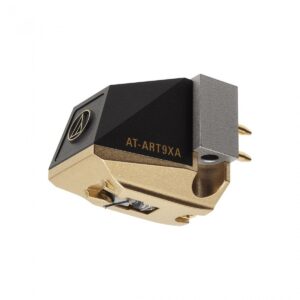
6. Audio-Technica AT-ART9XA – Best premium MC
 Key features
- Low-output moving coil design
- Non-magnetic core cartridge construction
- Special line contact stylus with boron cantilever
Pros
- Exceptionally open and natural sound
- Extremely low distortion and colouration
- Superb build and component quality
Cons
- Needs a top-quality phono stage to shine
The Audio-Technica AT-ART9XA is the kind of cartridge that shows what happens when engineering is pushed to its limits, where precision turns into obsession. It’s a moving coil design, but with a clever twist.
The boffins at Audio-Technica have done away with the traditional magnetic core inside the coils altogether. That means no magnetic pull on the coils, no added distortion, and a signal that stays clean and pure from stylus to output.
The result is a sound that feels wide, natural, and unforced. Instruments sit in their own space, with air and depth that make everything sound effortlessly real. It’s incredibly detailed, yet never harsh or fatiguing.
The stylus is a special line contact profile that digs deep into the groove, mounted on a boron cantilever prized for its stiffness and low mass. That combination gives you a fast, accurate response and fine texture, with no excess resonance.
You’ll need a capable phono stage to unlock its full potential, but when it’s dialled in, the AT-ART9XA delivers a level of finesse that borders on obsession.
7. Nagaoka MP-300 – Best premium MM
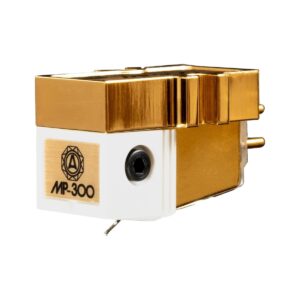 Key features
- Boron cantilever
- Superfine polished elliptical diamond stylus
- High rigidity aluminium alloy body
Pros
- Smooth, organic sound with a lovely midrange
- Excellent tracking and low distortion
- Built with a finish that looks almost like jewellery
Cons
- Treble is slightly polite, which might not be your thing (I quite like it)
The Nagaoka MP-300 sits in a rare but rewarding cartridge. It’s technically a moving magnet, priced like an early moving coil, and built with the sort of attention to detail normally reserved for luxury items. It looks shiny, it feels shiny, and more importantly, it sounds as premium as its presentation suggests.
The MP-300 focuses on what Nagaoka does exceptionally well. The midrange is rich and natural, the tone has a gentle warmth, and the overall presentation feels effortless and musical. It is not trying to expose every microscopic detail or chase bright treble extension. Instead, it delivers texture, body, and an easy listening flow that lets you settle into long sessions without fatigue.
Tracking performance is confident thanks to the polished elliptical stylus and rigid body structure. It stays locked into the groove even on older records and handles imperfect pressings with more grace than many similarly priced alternatives. Where some cartridges highlight flaws, this one smooths the edges without losing character.
The MP-300 earns its reputation through craftsmanship, musicality, and its unmistakably refined sound. If you want a cartridge that looks beautiful and delivers a full, expressive, and highly listenable performance, the MP-300 is the shiny upgrade that fits perfectly into that niche.
How to choose the best cartridge for you
Choosing a cartridge can feel like stepping into another language. There are stylus shapes, magnet types, output levels, and compliance figures, all things that seem designed to make you question your sanity. But it doesn’t have to be complicated. Once you know what kind of listener you are and what your setup can handle, it starts to make sense.
MM vs. MC cartridges
If you’re just getting into vinyl or upgrading from a bundled cartridge, a good moving magnet (MM) design is the place to start. They’re affordable, tough, and easy to live with. The stylus can usually be replaced when it wears out, and they’ll work with almost any phono stage. MM cartridges tend to give you a warm, balanced sound that flatters most records without demanding a lab coat to set them up.
Once you move into moving coil (MC) territory, things get a bit more serious. These cartridges use lighter coils that move within a magnetic field, which gives them more detail and a faster, more dynamic response. The trade-off is lower output and higher sensitivity, so you’ll need a suitable phono stage or step-up transformer to get the best out of them.
MC cartridges also require careful setup and clean records, but the results can be breathtaking.
If you want a bit more of an in-depth rundown on the concept, you can check out my ramblings in my guide to MM and MC cartridges.
It’s also worth thinking about how your cartridge pairs with the rest of your system. A modest cartridge in a well-matched setup can often sound more engaging than a pricey one forced into the wrong gear. Finding that synergy between turntable, phono stage, and speakers is half the fun and usually what makes your collection come alive.
Budget
There’s a cartridge for every wallet, and spending more doesn’t always mean you’ll enjoy your records more. Entry-level models can deliver a huge leap in clarity over stock cartridges, while midrange options strike that sweet spot between performance and practicality. High-end designs bring in specialist materials and obsessive engineering, but the difference becomes more about refinement than volume or punch.
Think of it as finding the level where you stop analysing and just listen.
Considerations to make
Check what your turntable and phono stage can actually handle. Things like cartridge weight, output level, and mounting type matter more than you’d think. If you’re not sure, stick with something versatile and easy to align. And always remember: a well-set-up cartridge will outperform an expensive one installed badly.
Additionally, while I have been harping on about upgrades, possibly the biggest consideration to make is this: do you even need to upgrade? I’ll be honest, hi-fi is always a sum of its parts. You could have an amazing £3k cartridge, but if you are running it through a £20 amp and a pair of speakers that have been limping along since the ’70s, there is no logical, financial, or performance-based benefit to be gained.
You obviously have free will and can choose whatever you like, but it’s worth asking yourself whether you will actually get the most from the upgrade given the rest of your gear. If you think you will, then go for it. Be honest with yourself and think carefully before investing significant money in a new cartridge, as that investment might be better spent elsewhere in the system.
FAQs
Is MC really better than MM?
MC is not always better than MM. MC gives more detail, but MM is easier to live with and represents better value.
Do all cartridges fit all turntables?
Not all cartridges fit all turntables. Check the mounting type and tonearm compatibility before going ahead.
How often should you change the cartridge on a turntable?
You should change the cartridge on a turntable around every 1,000 hours of play. Heavily used or worn records may shorten that lifespan. There’s no fixed rule, but change it when you start to notice a drop in sound quality.
Final thoughts
So, after all that talk of magnets, coils, and stylus shapes, you might be thinking, “Alright, but what am I actually supposed to do with all that?” Fair question. The short answer is that the cartridge is the translator between the groove and the gear. It’s the bit that decides whether your favourite record sounds alive or like it’s been left out in the sun too long.
That doesn’t mean you need to throw silly money at it. The magic of vinyl is that even a modest setup can sound brilliant when it’s properly balanced. A well-chosen moving magnet cartridge can give you warmth, punch, and character that make you forget about the tech entirely. Move into moving coil territory and you’ll find more refinement, depth, and texture, but also a bit more tinkering to get it right.
The trick is balance. Know your system, know your budget, and don’t get lost chasing specs you’ll never hear. Half the fun is finding where your own ears draw the line.
At the end of the day, cartridges are one of those rare bits of hi-fi where you can genuinely hear where your money goes. But that’s not really the point, is it? It’s not about numbers or graphs. It’s about sitting down, dropping the needle, and thinking, “Yeah… that sounds good.”
And if it’s still not long past 10 am on a Monday and your head’s spinning after reading all this, grab a coffee, take a breather, and start looking into the best cartridges for you.






0 Comments