


Wubwubwub. Bvvvmmm. Bwoooom. The refined and delicate symphony of the bass enthusiast.
While some audiophiles chase “balanced sound” or “high-fidelity clarity,” with just enough bass to politely round out the mix, you and I both know – you’re not here for “just enough.”
Bassheads have it rough finding the best bass headphones, because there’s only so much a description can convey when it’s written for a general audience. Terms like “extended low-end” or “bass emphasis” don’t always guarantee the punch, depth, and sub-bass power you’re after for solo listening.
That’s why we’ve curated this list, to spotlight headphones that deliver when it comes to bass. Whether you’re into hip-hop, EDM, or just want your music to hit harder, these are the best bass headphones on the market right now.
In a hurry?
Here are our top three headphones with the best bass:
| Focal Stellia Closed-Back Headphones | Stellia is our top pick for premium bass headphones. Low-end is deep, fast, and highly controlled, with Pure Beryllium 40mm M-shaped drivers. | Check the current price |
| Bowers & Wilkins Px8 Wireless Headphones | A good contender for best wireless bass performance. Bass is clean and well-defined, backed by carbon-cone drivers and aptX Adaptive support. | Check the current price |
| JBL Tune 770NC Wireless Over-ear Headphones | Our top pick for bass on a budget. You get punchy low-end and a consistent response, with custom EQ and up to 70 hours of battery life. | Check the current price |
Why we’ve chosen these headphones
Today, we’ll focus on headphones that deliver great bass performance, whether you’re spending under £100 or over £1,000. Of course, a budget pair won’t match the scale, texture, or control of a high-end set – that’s just not how physics works. But each one we’ve picked stands out at its price point, with a low-end that doesn’t disappoint.
We also looked at the things that matter: frequency response, driver design, real bass presence, comfort, isolation, and build quality. Features like EQ settings, amp pairing potential, and wireless codec support also played a part – anything that might affect how you hear and feel the bass.
This isn’t just a ranking of what’s most expensive or spec’d on paper. It’s a guide to headphones we think strike the right balance between punch, clarity, and value for money.
The best bass headphones
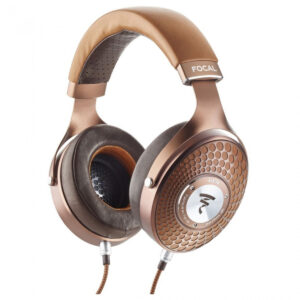
1. Focal Stellia Headphones – Best premium bass headphones
 Key features
- Closed-back, over-ear, wired (35Ω)
- Frequency response: 5Hz – 40kHz
- Driver size: 40mm
Pros
- Deep, controlled bass with excellent detail
- Pure Beryllium 40mm drivers for low distortion
- Surprisingly open presentation for a closed-back design
Cons
- Realistically, the high price tag will be a deal-breaker for many
I’ll be up front because there’s no getting around the price tag: the Focal Stellia are firmly high-end. And you know what, they make no apologies for that. This is a step up into an entirely different category of headphones.
Bass is a perfect example. It doesn’t leap out at you or try to impress with volume. Instead, it’s delivered with care: full, clean, and grounded. There’s real depth here. If you’re listening to tracks with well-produced low-end, the Stellia picks it out and presents it with real finesse, though that does mean the flaws in less polished mixes are more obvious by comparison.
The 40mm M-shaped drivers are made from pure Beryllium – a material chosen for its stiffness and responsiveness. That combination allows the Stellia to reproduce low-end detail with accuracy, without introducing distortion or masking the midrange.
Being closed-back, you also get decent isolation, which makes them easier to enjoy in less-than-ideal environments. Internal acoustic treatment helps reduce resonance and reflection inside the earcups, giving a more open, balanced presentation.
It’s not the biggest-sounding headphone out there, but for a closed model, it’s impressively clear and spacious. At 35 ohms, they’re also relatively easy to drive. It’s a focused headphone – one that rewards well-mastered music, offers properly extended bass without exaggeration, and keeps the rest of the frequency range intact.
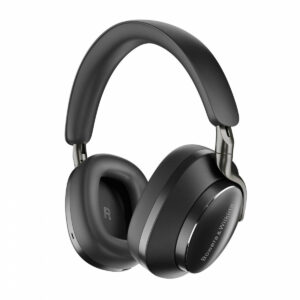
2. Bowers & Wilkins Px8 Headphones – Best midrange bass headphones
 Key features
- Closed back, over-ear, wireless (BT 5.2 with aptX Adaptive)
- Frequency response: No official data provided by the manufacturer
- Driver size: 40mm
Pros
- Refined, punchy bass with strong control
- Good material and high build quality
- Supports 24-bit streaming via aptX Adaptive
Cons
- Limited EQ adjustment options in the companion app
The Px8 sits at the top of Bowers & Wilkins’ wireless headphone range, and it behaves like it. This is a carefully considered pair of ANC headphones.
While not tuned to exaggerate the bass, it delivers a low-end that feels well-controlled and full, particularly on tracks capitalising on sub-bass and rhythmic punch. The 40mm carbon cone drivers play a key role here, helping to reduce distortion and bring out greater detail across the frequency range. The bass doesn’t dominate, but it’s present and well-shaped.
If you’d prefer to adjust the low-end response, the Bowers & Wilkins Music App offers a basic EQ with bass and treble sliders. It’s enough for light tuning, but the lack of full-band control limits how far you can push things. That said, the default tuning is well thought-out, pairing comfortably with electronic, R&B, and modern pop where low-end control and clarity really matter.
If you’re weighing it up against the Px7 S2e (or even the new Px7 S3), the difference lies more in refinement than outright impact. The Px8 offers a bit more grip in the low-end and slightly improved detail across the board, though the S2e still performs well and comes in at a more accessible price.
Battery life is solid at 30 hours, with quick-charge support, and the ANC is effective without dulling the sound. The build is a cut above most rivals, with cast aluminium arms, leather trim, and tactile controls. If you want wireless headphones that deliver low-end finesse without compromise, these award-winning Px8s are an excellent place to invest.
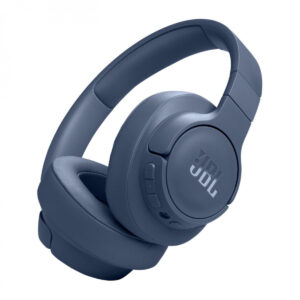
3. JBL Tune 770NC Headphones – Best bass headphones under £100
 Key features
- Closed-back, over-ear, and wireless (BT 5.3 with LE Audio support)
- Frequency response: 20Hz – 20kHz
- Driver size: 40mm
Pros
- Affordable price with custom EQ control
- Fun and punchy low-end ideal for modern genres
- Long battery life with rapid charging
Cons
- Smaller earcups may affect long-session comfort
JBL have built their reputation – at least with their consumer range- around lively, fun, and accessible audio with a definite emphasis on bass, so if you’re looking for a budget pair of headphones without sacrificing low-end quality, the Tune 770NC are well worth a look.
Sure, on paper, the frequency response might seem a bit modest, but it’s consistent across the range, and for the price, you’re getting plenty of presence. They’re tuned to JBL’s Pure Bass Sound, which brings a bit of extra weight to the sub-bass and works nicely with hip-hop, electronic, and pop. It’s not overblown, which is a benefit to the midrange, but there’s still enough punch to keep tracks feeling full and grounded.
Comfort is decent thanks to the lightweight build and soft pads, though the smaller earcups may feel snug if you have larger ears. Naturally, though, this gives you a bit of extra isolation from the outside world, with adaptive noise cancellation to boot – both serviceable in taking the edge off low-level background noise.
JBL also offers the Live 770NC, which, for a little higher asking price, adds features like voice assistant integration and spatial sound. It’s a nice step up in features, and worth considering if that sort of functionality appeals, but given the price difference, we still think the Tune 770NC is great value for bass-first listening under £100.
For Bluetooth 5.3, multi-point pairing, and up to 70 hours of battery life, there’s a lot packed in here for the money.
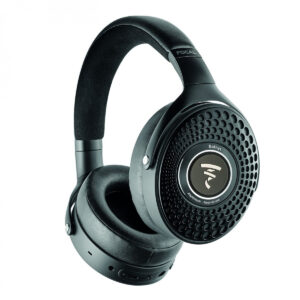
4. Focal Bathys Headphones – Best luxury wireless headphones
 Key features
- Closed-back, over-ear, wireless (BT 5.1 with aptX Adaptive)
- Frequency response: 15Hz – 22kHz
- Transducer size: 40mm
Pros
- Controlled, extended bass with solid low-end clarity
- Built-in USB DAC for hi-res wired playback
- High-end materials with strong passive isolation
Cons
- Still requires battery power when using a wired connection
The Focal Bathys were the brand’s first wireless ANC headphones, bringing a more refined, hi-fi-inspired approach to portable listening.
Since the launch in 2022, these headphones have earned consistent praise for their quality. Their design has also helped shape the direction of newer models like the Azurys and Hadenys, both of which share the same core driver design while being more affordable alternatives. A magnesium-coned Bathys MG variant now also sits alongside the original as a second flagship option.
That track record matters here. If you’re after bass that’s articulate and controlled, without losing the balance and detail, you’ll find it in the Bathys.
The low-end isn’t overdone, but it has enough depth and clarity to bring real weight to modern genres, while staying tight enough to keep the mids clean. Sub-bass extension is handled with subtlety, but there’s a solid foundation that gives the sound proper scale when called for, particularly noticeable when switching to the built-in USB DAC mode.
The Focal & Naim app includes five-band EQ and preset support, but its adjustments are fairly limited. Still, the default tuning does a tremendous job with most material, especially if you’re not looking to force extra bass in.
Build quality matches the price: real leather, magnesium yokes, and soft memory foam pads make them a comfortable wear for extended sessions. If you want to find out more, you can read a full breakdown in our Focal Bathys review.
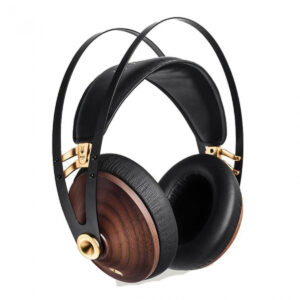
5. Meze 99 Classic Headphones – Best bass headphone upgrade on a budget
 Key features
- Closed-back, over-ear, wired (32Ω)
- Frequency response: 15Hz – 25kHz
- Driver size: 40mm
Pros
- Smooth, rich bass with a warm tone
- Excellent build with real walnut earcups
- Comfortable, self-adjusting headband
Cons
- Need amplification to really come alive
The Meze 99 Classics are easy to like for their distinctive design, inviting sound, and solid all-around performance, especially if you’re drawn to a warmer presentation. The tuning brings out low-end texture with a soft punch, making them well suited to R&B, soul, and older funk and jazz recordings, while still enjoyable with modern electronic and pop.
They’ll work fine through a standard headphone jack, but they don’t really come into their own until paired with a dedicated headphone amp. That extra power helps tighten up the bass and brings more clarity through the mids, revealing a more refined and balanced sound overall.
Saying that, they’re still relatively easy to drive, so you’re not locked into high-end gear to get good results. There’s no huge sub-bass slam, but the midbass has enough body to give music a natural, rounded feel. They sit in that space above entry-level, but still comfortably below high-end, offering an easygoing sound that scales with your setup.
Build quality reflects that positioning. The walnut earcups are CNC-milled and hand-finished, paired with cast metal components instead of plastic. The self-adjusting headband is light and comfortable, and the design makes it easy to replace worn parts down the line.
If you’re after a closed-back headphone with smooth bass and a relaxed, grown-in sound, the Meze 99 Classics are an attractive pick.
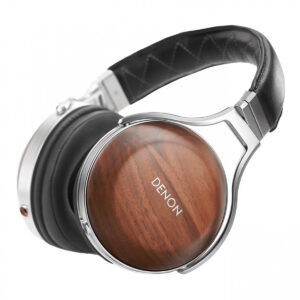
6. Denon AH-D7200 Headphones – Best audiophile bass headphones
 Key features
- Closed-back, over-ear, wired (25Ω)
- Frequency response: 5Hz – 55kHz
- Driver size: 50mm
Pros
- Full-bodied, low-distortion bass with natural warmth
- 50mm FreeEdge drivers deliver a clean, dynamic response
- Real walnut earcups help reduce resonance and improve tone
Cons
- More suited to relaxed listening than sheer impact
The AH-D7200 are Denon’s reference class closed-back headphones, and if you’re looking to invest a bit more for a clean, impactful low end without going over the top, they’re well worth a look.
Denon’s 50mm FreeEdge drivers do the heavy lifting here, using a low-mass nanofibre material to deliver clean, distortion-free movement even at higher volumes. That means you get low-end impact with a level of detail that holds together when things get more layered or intense.
Matched with real walnut earcups, the design helps reduce resonance and adds a natural warmth to the sound signature. The result is a low-end that’s more textured and organic than hyped – ideal if you want impact, but not at the expense of refinement.
With this in mind, the overall tuning leans toward relaxed listening rather than sheer bass aggression. If you’re after heavy slam or upfront punch, other models on this list lean further in that direction.
These are easy to drive from most headphone amps, and while you can use them with a laptop or desktop DAC, they benefit from a source with clean power and good headroom. Comfort is also worth noting: a sheepskin leather headband and soft memory foam earpads make long sessions easy, and the build quality feels every bit as premium as the sound.
If you’re after a closed-back headphone with proper bass depth, smooth detail, and long-term comfort, the AH-D7200 offer a great balance.
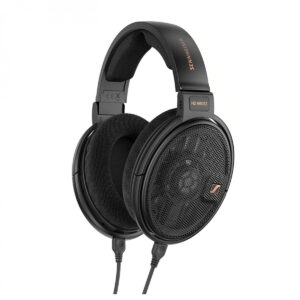
7. Sennheiser 660S2 Headphones – Best open-back alternative for bass
 Key features
- Open-back, over-ear, wired (300Ω)
- Frequency response: 8Hz – 41.5kHz
- Driver size: 38mm
Pros
- Extended sub-bass for an open-back design
- Spacious, natural sound with excellent detail
- Comfortable and well-built for long sessions
Cons
- Open-back design leaks sound and lacks isolation
Open-back headphones aren’t usually known for their bass, and while we’d love to say there’s a model that truly rivals closed-backs for low-end weight, it’d be in the small minority.
The HD 660S2 doesn’t flip that expectation on its head, but if you’re browsing open-backs anyway, we figured the extra option here or there wouldn’t hurt. With improved bass extension over the original 660S, the S2 offers just enough extra depth to satisfy listeners who still want the openness and clarity of an audiophile design.
And that 8Hz floor isn’t just spec-sheet filler. When powered by a proper headphone amp, you can hear and feel more low-end texture. The classic Sennheiser tuning is still there: clean, balanced, and even. But now it comes with a bit more body to it, giving acoustic recordings a richer tone and electronic tracks more grounded weight.
At 300 ohms, these headphones demand a capable source. Add a dedicated headphone amp/DAC, and everything sharpens: bass tightens, mids lift, and detail retrieval improves across the board. That balance and clarity also make the HD 660S2 a strong pick for critical listening. The sound is revealing without feeling clinical, giving you insight into mixes without stripping them of musicality.
With plush velour pads, an open-back build, and a lightweight frame, they’re comfortable for long sessions too.
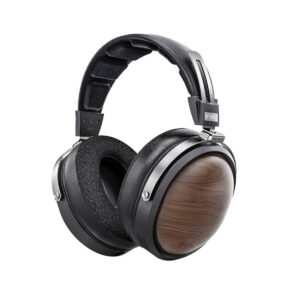
8. FiiO FT1 Headphones – Best affordable full-size bass headphones
 Key features
- Closed-back, over-ear, wired (32Ω)
- Frequency response: 10Hz – 40kHz
- Driver size: 60mm
Pros
- Deep and satisfying bass presence
- Real wood earcups help reduce resonance
- Includes balanced and unbalanced cables
Cons
- Everything can feel a bit close on busy tracks
Large 60mm drivers, solid walnut earcups, and a full set of cables – including balanced – might sound like the spec sheet of a £300+ headphone. But the FiiO FT1 offers all this for around half that, with a tuning geared firmly toward warmth, impact, and low-end weight.
If you’re after an affordable wired pair with full-size drivers and good bass presence, they’re well worth a look. Sonically, the FT1 leans toward the warm side. Bass is rich, with mid and sub-bass that work well for modern electronic genres or cinematic soundtracks.
The 60mm dynamic drivers are housed in walnut earcups, suppressing resonance. The result is a low-end that feels tight, though some midrange is traded off for this, and the overall sound can feel a little closed-in on more complex mixes.
Still, they remain enjoyable and energetic, and especially at this price, there’s really not a lot you can complain about.
In the box, you’ll find both 3.5mm and 4.4mm cables, a carry case, and a 6.35mm adapter – all of which make the FT1 unusually well equipped for the money. The clamping force is firm without being overbearing, and the breathable pads make them comfortable for longer sessions, provided the fit works for your head shape.
For listeners chasing a wired headphone with real bass presence, a tasteful sense of styling, and the flexibility to grow with better gear, the FT1 is a strong all-rounder.
What is a good frequency response for bass-heavy headphones?
The bass frequency range is typically considered to be between 60Hz and 250Hz, so a good frequency response for bass-heavy headphones starts with a range that dips below 20Hz, extending into the sub-bass territory.
While 20Hz to 20kHz covers the standard range of human hearing, sub-bass frequencies (below 20Hz) enhance the depth and physicality of low-end sounds, giving music more rumble and impact. However, frequency range alone doesn’t guarantee strong bass. What matters more is the frequency response – how each frequency is emphasised or reduced. This response curve determines the headphone’s tuning.
Bass-forward headphones typically boost the lower frequencies, especially from around 20Hz to 200Hz, giving punch to kick drums and basslines. A headphone might technically reach 10Hz, but without a tuned emphasis in that area, you won’t feel the bass.
So, for bass lovers, look for headphones with a boosted low-end response rather than just a wide frequency range. Other factors like sensitivity and impedance also affect sound, but we’ll come to that later.

Other things to consider when choosing the best bass headphones
A range of design and technical factors work to shape bass presentation. Here’s what else to consider:
Driver size and type
One of the most common factors people focus on is the drivers. Bass relies on moving air, and larger drivers – typically 40mm or more – can move more air to produce stronger bass. However, size isn’t everything. The materials used in the diaphragm, the power of the magnets, and the enclosure design all impact how bass feels and responds.
Open-back vs. closed-back
The enclosure design also has a big influence on bass. Closed-back models trap air in the earcups, enhancing low-end weight and punch, which is ideal for bass-heavy listening. Alternatively, open-back headphones allow air to pass through the back of the earcup. This creates a more airy soundstage, but usually at the expense of bass.
That said, some open-backs offer controlled low-end, ideal for studio work where detail matters more than sheer impact.
Comfort, fit, and isolation
Earcup fit is often overlooked, but a proper seal around your ears with over-ear headphones helps contain sound, boosting isolation and preventing bass from feeling weak. Factors like weight, earcup cushioning, and clamping pressure also affect long-term comfort, so it’s worth finding a pair that feels good for extended listening sessions.
Wired headphones: Sensitivity and amplification
Wired headphones typically provide consistent, uncompressed audio and give you more control over power delivery. That’s where sensitivity and impedance matter. Low-impedance models pair easily with phones and laptops, while high-impedance headphones benefit from an amp, tightening bass and clarifying detail for a more refined sound.
Wireless headphones: Bluetooth and EQ support
Wireless headphones use built-in amps and Bluetooth codecs like aptX, AAC, or LDAC to maintain sound quality. Though less externally modifiable, they generally offer app-based EQ, bass boost, and presets, letting you customise sound profiles to suit different genres or environments.
Need more bass?
If your current headphones aren’t delivering quite enough low-end, there are a few practical ways to bring out more bass without buying a new pair straight away.
Start with the fit. A poor seal around your ears can cause bass to leak out or lose impact, especially with closed-back designs. Make sure the earcups sit snugly, and consider replacing worn-out pads if they’re no longer forming a proper seal.
If your headphones support EQ – either through a companion app or your audio source – use it to gently boost the lower frequencies. Just avoid cranking the bass too high, as that can muddy the mix or cause distortion.
For wired headphones, adding or upgrading your headphone amplifier or DAC can make a noticeable difference, particularly with high-impedance models.
Portable DAC/amps like the FiiO KA17, iFi Audio Hip-DAC 3, Chord Electronics Mojo 2, and more are also available if you want better bass performance on the go.
Finally, make sure your source files or streaming settings are high quality. Compressed audio can flatten bass response, so opting for lossless or high-bitrate formats can help your headphones perform at their best. You can read more about this in our audio file formats rundown.

FAQs
Can headphones have good bass?
Headphones can absolutely deliver good bass when built with the right components and tuning. Closed-back designs are especially effective, and models with large dynamic drivers – typically 40mm or larger – move more air, enhancing low-frequency response for deeper, more powerful bass performance.
Which noise-cancelling headphones have the best bass?
Noise-cancelling headphones with the best bass are usually over-ear models like the Bowers & Wilkins Px8 and Focal Bathys. These offer deep, high-fidelity sound and good isolation. Also consider the Mark Levinson No 5909, Sennheiser Momentum 4, or B&W Px7 S3 for great performance at various price points.
Do IEMs have better bass than headphones?
IEMs don’t typically deliver better bass than headphones, as their smaller drivers limit depth. However, the snug in-ear fit provides great isolation, especially with silicone tips, enhancing bass perception. They’re also lighter and more portable, making them convenient for music lovers on the go.
Final thoughts
The truth is, finding the best bass headphones isn’t a one-size-fits-all deal. It’s completely subjective. Bass means different things to different people – tight and punchy, warm and rounded, deep and atmospheric – and no spec sheet can really tell you how a pair will sound on your head, with your music.
If you can, try before you buy. Visit a showroom or borrow a friend’s pair. It can be hard to make the time, but listening in person will give you a better impression than any number of blogs, video reviews, or comment sections combined. It’s a smarter way to spend your money, and you never know, you might be surprised what clicks.
It’s also worth remembering that bass isn’t only about the headphones. A bad fit, worn-out pads, or low-bitrate audio can all flatten the low end. Before spending more, check if a better seal, some EQ tweaking, or a piece of new equipment might do the trick.
Either way, we hope this rundown of the best bass headphones gave you a solid starting point. There’s no right answer in hi-fi – but with the right pair, properly set up, you’ll know when it hits.






0 Comments