

“Have you read the big beat manifesto recently?”
“Did we write it down?”
Well, thankfully, I did. Or at least, I wrote down my own subjective version of it.
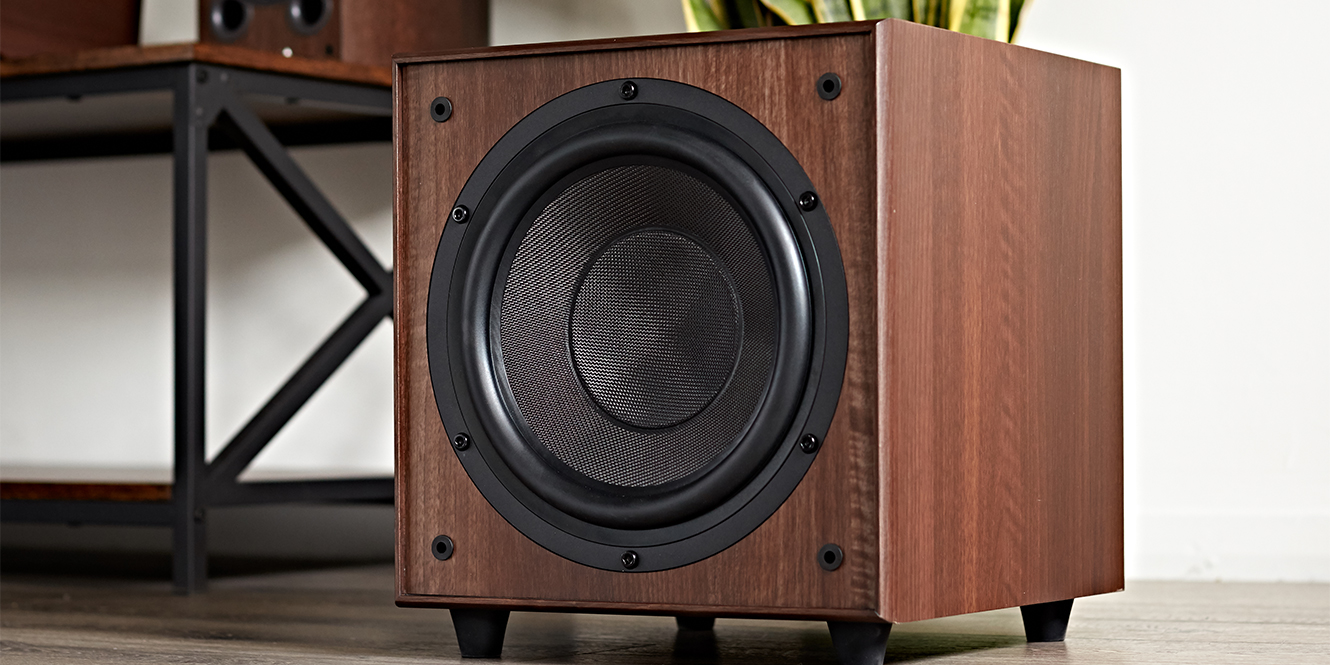
If you didn’t get the Peep Show reference, we’re here to talk about bass. The foundation. The weight. The part of a track that you don’t just hear, but feel.
Bass is one of the most important elements in any musical experience. It’s also one of the hardest things to get right and one of the easiest things to completely ruin. The way low frequencies interact with everything else in a mix can make or break a song. So, if you’re in the market for a new speaker or pair of headphones, you’ll want to make sure the bass is just right.
But “bass” is a broad term. For me, bass lives roughly between 60Hz and 240Hz. That’s where the body, warmth, and punch sit. Below 60Hz, you enter sub-bass territory. That’s less about what you hear and more about what you feel.
Both of these elements working in tandem are what really make exceptional bass production. Whether or not your system can reproduce it, that’s another thing, but the production of the song before you even play it will define how these frequencies work together and, as a result, be presented in the room.
So, what are the best songs for testing bass? Let’s find out!
In a hurry?
Here are our top three picks:
Skrillex – “Supersonic”
Tom Misch (and co.) – “Nightrider”
Hans Zimmer – “Lisin al Gaib”
The best songs for testing bass
1. Amelie Lens – “Breath”
We’re starting the list strong with some hard Belgian techno. Amelie Lens is always a staple choice for me when it comes to testing bass frequencies in systems. Whether or not it’s your cup of tea, techno is full of a wide range of sonic details, from synth-heavy “ear candy” to sub-frequency rumbles and relentless kick drums. Balancing the relationship between sub-bass and kick is something Amelie Lens is very good at.
2. Ekcle – “Clandestine”
3. Silk Road Assassins – “Familiars”
4. Skrillex – “Supersonic”
Love him or hate him, Skrillex has been shaping bass music for well over a decade. The bass in “Supersonic” isn’t overwhelming, but it creates a huge sense of depth without actually being ridiculously deep. For example, the sine wave in the intro sounds far deeper than it really is – a clever bit of psychoacoustic design that can translate on almost any system. Smart bass.
5. Tom Misch, Yussef Dayes, Freddie Gibbs – “Nightrider”
Now for something more neo-soul inspired. “Nightrider’s” bass is more organic, driven by an electric bass, with the sub-frequencies either mixed in during post-production using a soft synth or added via some kind of sub-bass effects pedal. Either way, the bass production on this track is exceptionally clean and tidy, creating a neat layering of sub-bass > kick sub > kick attack > bass attack.
6. Karnivool – “Drone”
In the run-up to 2026’s full album release, Karnivool released “Drone”. Karnivool are on the prog-rock/metal side of things, and Jon Stockman (the bassist) has long been renowned for his bass playing and tone. The use of sonic textures throughout this track is a real showcase of bass that isn’t just low, but nuanced, dynamic and textured, which adds a great deal to the overall sonic landscape of the track.
7. Doja Cat – “Jealous Type”
“Jealous Type” is a bit of a love letter to ’80s pop and R&B, brought into the modern era. It’s a bit of a “bop” and a clear example of that synth-heavy, disco-esque sound from the ’80s and early ’90s. It’s not an overpowering bassline, but the cleanliness and simplicity of the bass are what do the heavy lifting.
The bass is predominantly that bouncy poly saw-wave sound, which helps maintain momentum over a simple kick pattern.
As a side note, there’s also a really well-placed triangle part in this track.
8. Zes – “Silver”
I’ve used Zes’ “Silver” as a demo track for a while; it’s more of a soundscape experience than a typical song. There’s no chorus or clear structure as you might expect, but the sound design is the reason we’re here with this one. The low, airy bass melody, the water foley, and the sub-bass with its chorusing and warble, all within the first 17 seconds, make this an excellent quick demo track.
As the track builds to its crescendo, the shift to a brighter, more “ahhhhhh” type of sound makes it feel like the audio equivalent of floating up through clouds before being blinded by the sun – in a good way.
9. Gesafelstein (feat. Pharrell Williams) – “Blast Off”
10. Malaa – “Psycho”
11. Justice – “Afterimage”
12. Andrea Chahayed – “Right Where You Like”
This is a bit of a bubblegum pop track, and you can clearly hear the instrumentation straddling the line between digital samples and live playing. The bass on this track is incredibly punchy and clean, acting as the driving force of the song. The bassline itself is a nice complement to Andrea’s vocals, offering plenty of attack along with solid low-end weight. It’s a good track.
13. Lorn – “BARTA”
I could gush about Lorn for ages, but to keep it brief, his music is largely dark ambient synth work, with a strong emphasis on sub-bass relationships. He’s done a lot of sound design work for video games, and his understanding of how to make something sound massive without it actually being huge really shows in this track.
I could honestly have picked any of his songs, but “Barta” is such a simple example of something done well.
14. Murcof – “Static Discos 100”
More sound design ambience – if it’s not clear, I love a good bit of sound design. This track is largely built around overlapping foley and atmospheric textures, with a lot of carefully managed sub-frequencies interacting with each other. From a phasing perspective, the result is a wide, warbly wash of low-end detail.
It may not have a big beat, but it’s in the “Manifesto”.
15. Juliana Barwick, Nosaj Thing – “Nod”
This is a bit of a rogue one, as Julianna’s work is predominantly choral ambient music focused on layering vocals and effects. However, this collaboration with Nosaj Thing helps flesh out what could have been a sparse ambient piece into something much fuller.
There’s a certain gravitas to the interaction between the bass and the vocals that makes it feel otherworldly. It’s all about the use of space and the overall soundscape here.
16. Superheaven – “In On It”
A ’90s throwback grunge track, with big riffs and droning vocals coupled with that classic wall of sound. The gritty bass and clean kick attack really emphasise the 60–120Hz range, where it sounds big without becoming muddy or congested.
Is it the best-produced record of all time? No. But it’s a good reminder that you don’t need something technically perfect for it to qualify as quality bass.
17. Big Wreck – “Voices”
Big Wreck? More like Big Riff. The guitar tone on this song does a lot of the heavy lifting in the bass frequencies, as it’s both detuned and high-gain, yet still incredibly bright. You can really hear the cabinet doing its thing in shaping the sound. It feels massive without being overbearing.
It’s all very cohesive and live-sounding.
18. Denzel Curry – “Worst Comes to Worst”
Denzel Curry has been in my regular rotation for years, ever since TA13OO, and the production has continued to improve with each album. “Worst Comes to Worst” is a great example of the bass–kick relationship in a hip-hop setting, where clarity and depth blend seamlessly. It also highlights how the 808 sub-bass can act as an extension of the kick.
19. Wonk – “Saviour”
Slightly lighter R&B neo-soul, with very detailed and accurate bass throughout. The blending of synth bass and electric bass to create a very homogeneous sound really shines here. It’s especially noticeable in the outro, after the three-minute mark, where the vocals drop out and that bass tone supports the piano solo perfectly.
20. Rüfüs Du Sol – “Break My Love”
Back to the regularly scheduled dance/electronic programming, here we have a subtle blend of a constant, “flat” sinewave sub-bass and a gently LFO-automated saw. What this does is create a pleasing sense of movement in the low end without constantly changing the notes. Coupled with a nicely sidechained kick, you end up with a great-sounding low end.
21. Massive Attack – “Angel”
A classic – everyone knows this song, and even if you don’t think you do, you’ll have heard it. Massive Attack’s “Angel” is one of the most ’90s-coded tracks out there and sounds quintessentially English in its sound design. The brooding, atmospheric bassline is one that, whether you play it through a modest system or something massive, always delivers an ominous sense of depth.
21. Dawid Podsiadło – “Phantom Liberty”
22. Hans Zimmer – “Lisan al Gaib”
Well, Hans Zimmer was bound to make this list. We all know Inception is his magnum opus in terms of bass sound design, but in terms of bass composition, I’d argue that Dune beats it. Rather than relying purely on sheer scale, “Lisan al Gaib” offers dynamics and textural shifts that create movement between the sub-frequencies and the mids, and that interplay makes it something special on a good system.
23: Hans Zimmer – “Elysium”
He’s back again. I was fortunate enough to see Gladiator in a THX cinema when I was very young, and beyond the haunting vocals, the bass production on this track is incredibly emotive. It has a real sense of mass and fluidity, and it feels definitive.
If you’ve seen Gladiator, you’ll know how much weight this leitmotif carries within the plot, and it’s truly special.
24. Mick Gordon – “BFG Division”
Mick Gordon essentially changed the sound of a lot of modern heavy guitar music when he created the soundtrack for DOOM. Everyone wanted that Mick Gordon sound: hyper-processed, gnarly, yet still deep and clear.
He managed to blend EDM-style sound design with metal guitars in a way that felt largely unattainable before, bringing the hyper-futuristic world of DOOM (2016) together with the raw angst of its hellish storyline.
25: Run the Jewels – “Oh Mama”
26. Rosa Walton – “I Really Want to Stay at Your House”
27. Meshuggah – “Demiurge”
Have you ever wanted to feel like a 100ft-tall stone colossus stomping through the northern regions of Sweden? Well, now you can. Meshuggah more or less invented the sound that Mick Gordon and many others later built upon in the metal scene.
As forefathers of the genre, they’ve had plenty of time to refine the art of delivering clean, powerful – dare I say mighty – bass frequencies across guitars, bass and drums, all unified as one well-oiled machine.
28. deadmau5 – “Science”
29. Tchami – “Adieu, Pt. II”
More French house music. Tchami has been a big part of my summer rotation for nearly 10 years now, and “Adieu Pt. II” is the track that got me into them. The bass isn’t especially deep or powerful, but it serves the song brilliantly. It’s exactly what it needs to be and nothing more. Modest, but effective.
30. Steely Dan – “Only a Fool Would Say That”
The bass on “Only a Fool Would Say That” is nothing like anything else on the list. It’s fully analogue instrumentation, so it doesn’t have the depth, punch, and drive of more modern productions, but it does have that classic Steely Dan level of perfectionism, where countless hours were spent dialling in the sound before it was recorded and mixed.
The bass here is clear, warm and inviting. You can let it sit in the background if you want to, or focus on it, and it serves both approaches equally well.
31. Gold Link – “Fall in Love”
FAQs
How can I quickly test a subwoofer?
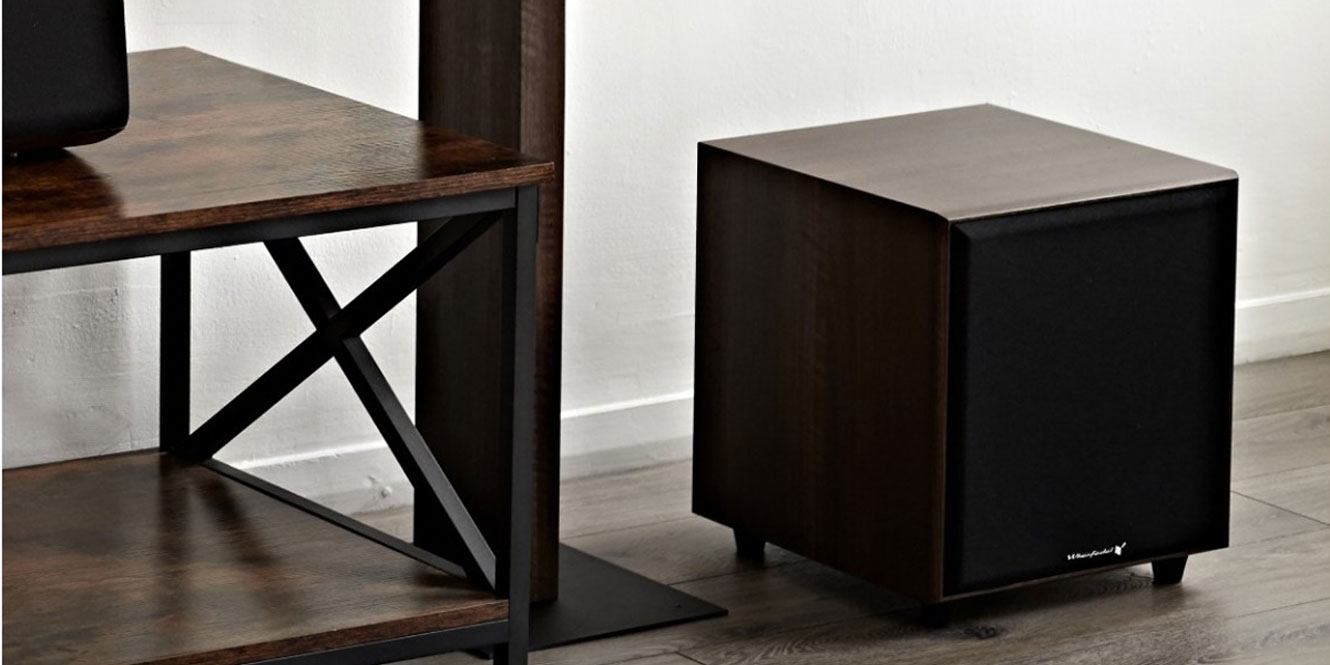
Quickly testing a subwoofer can be done by playing a low-frequency test tone or bass-heavy track at moderate volume and checking for clean, deep output. Listen for distortion, rattling, or weak response. Gently press the cone to feel smooth movement and confirm proper connectivity and power.
Can too much bass damage hearing?
Too much bass can damage hearing when exposure is prolonged and volume levels are excessively high. Low-frequency sound at high decibels increases pressure in the ear and contributes to hearing fatigue. Consistent exposure without protection may lead to permanent hearing loss over time.
Do two subs sound better than one?
Whether or not two subs sound better than one depends on setup, but two subwoofers generally provide smoother and more balanced bass. Dual subs reduce dead spots and distribute low frequencies more evenly across a room. Proper placement and calibration are essential for optimal performance.




0 Comments