
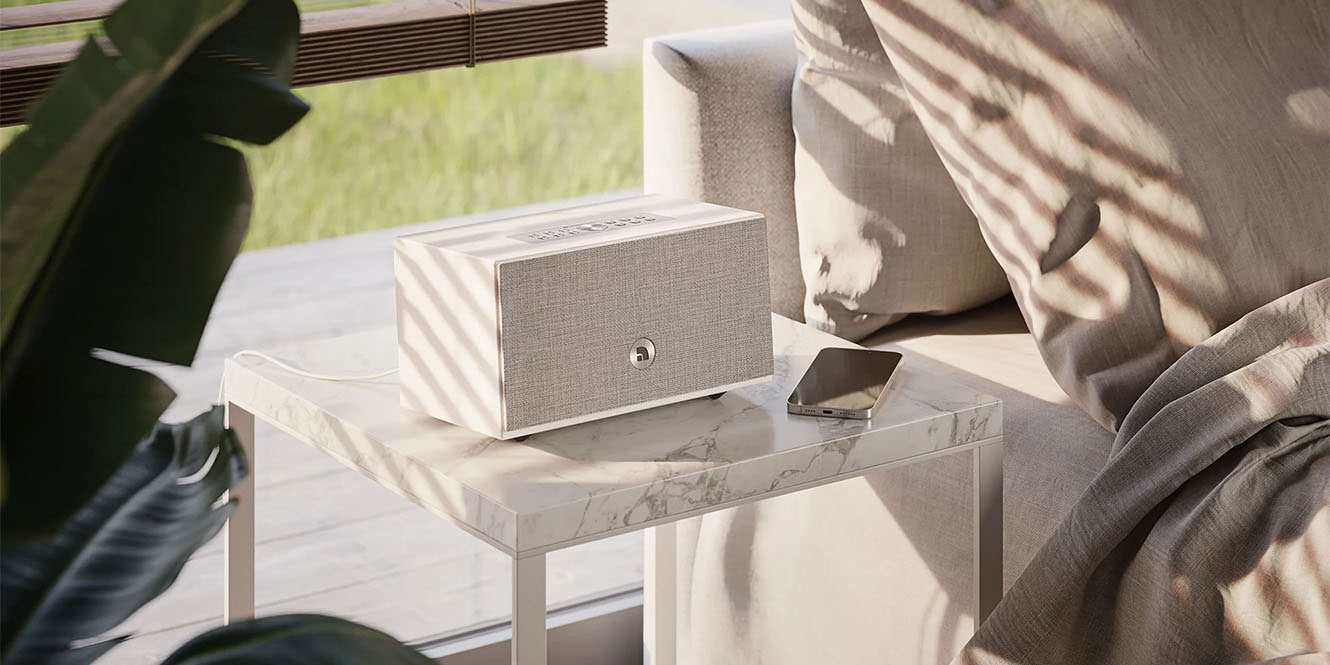

Knowing how to test a speaker properly can make building your audio setup a lot less stressful. And when we say “test a speaker”, or a set of speakers for that matter, what we’re really talking about is auditioning them.
That might sound a bit serious, but it really isn’t. If you’re in the market for new speakers, testing them is simply about giving yourself enough time to hear what they actually do — not just whether they go loud or whether the bass sounds impressive for the first thirty seconds, but whether they suit your room and the music you listen to.
A good speaker demo should tell you a few useful things quite quickly. How clear are the vocals? Does the bass feel controlled? Can you pick out where instruments are sitting? Does the speaker still sound good after ten minutes, or does it start to get a bit much?
In this guide, we’ll go through a few simple steps you can follow when auditioning speakers.
Key takeaways
- Testing a speaker really means auditioning it, so take your time and listen properly
- Use music you already know well, not just impressive demo tracks
- Check the build, terminals, controls, and cabinet before you start listening
- Listen for balance, not just bass. A good speaker should sound clear, controlled, and easy to live with
- Stereo imaging and soundstage matter, especially if you want vocals and instruments to feel properly placed
- Try to test speakers in a room similar to your own, or at least keep your listening space in mind
- If a speaker sounds exciting for two minutes but tiring after ten, that’s worth paying attention to
Why test speakers in the first place?
The main reason to test speakers is to make sure they actually suit what you’ll be using them for. Not just how they sound in theory, but how they sound to you, with the sort of music, films, games, or TV you’ll actually be playing through them.
It’s also about working out whether you can live with them. A huge pair of Arcam Radia R45s might sound incredible in a treated demo room, but if you live in a small flat, they’re probably not going to be the most practical choice. The same goes the other way. A compact pair of bookshelf speakers might be perfect for a desk setup, but they’d struggle if you expect them to fill a large living room.
That’s really what auditioning is for. It helps you look past the spec sheet, the reviews, and the initial “that sounds impressive” reaction, so you can make the right choice for your space, your ears, and how you actually listen.
Chassis and build quality checks
Before you even start listening, it’s worth giving the speakers a quick once-over. This doesn’t need to be forensic; a few basic checks are fine.
First: the cabinets. Look for any dents, cracks, lifted veneer, loose grilles, or anything that feels a bit off. If they’re floorstanders, make sure the plinths, spikes, or feet are secure. If they’re bookshelf speakers, check they sit level and don’t rock about when placed on a stand or shelf.
Next, have a look at the drivers. The cones should look clean and even, with no dents, tears, or pushed-in dust caps. A small cosmetic mark might not be the end of the world, especially on used speakers, but anything that affects the driver itself is worth taking seriously.
Around the back, check the speaker terminals. They should tighten properly and hold the cable securely. If the speaker has extra controls, built-in amplification, wireless features, or multiple inputs, make sure those feel solid too.
Essentially, you want to have confidence in the speaker mechanically and physically before you start getting into how it sounds. It’s a bit like buying an old car. It doesn’t matter how good it feels to drive, or how much character it has, if you’re worried it won’t start seven times out of ten. That doubt takes the joy out of it a bit.
How to test a speaker
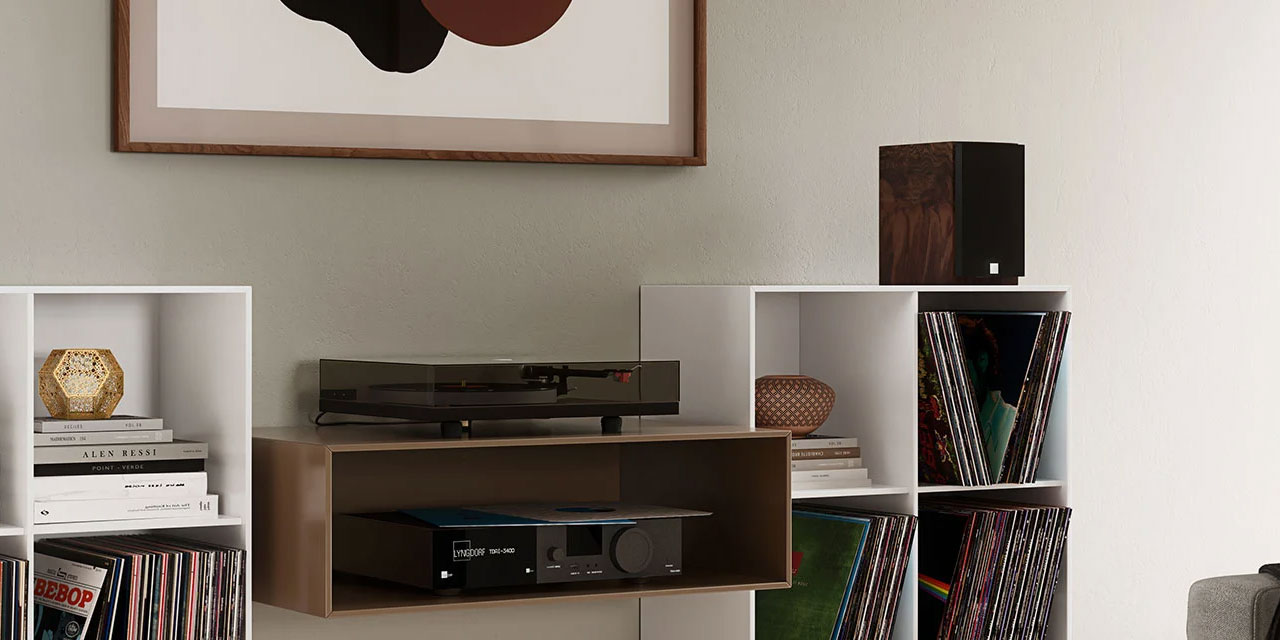
The biggest top tip I can give you when you’re auditioning speakers is to use music you actually know. Demo tracks are useful, but they don’t tell you much if you never play that kind of music at home.
These are just some options I’d use if I were looking for new speakers. Ekcle’s “Jindingo” is good for speed, detail, and textured electronic production. Christopher Cross’ “Sailing” gives you space and smooth vocals, so you can hear if the speaker feels relaxed or forced. Massive Attack’s “Teardrop” is great for low-end control and atmosphere, while Crosby, Stills & Nash’s “Just a Song Before I Go” helps with vocal placement. ZES’ “Silver” is good for clean electronic detail, and Skrillex’s Quest for Fire will show how it handles sharper production.
I’d also listen to Van Halen I, Van Halen II, and Extreme’s Pornograffitti, because guitars and drums quickly show how lively a speaker feels. The Eagles and Stevie Nicks are good shouts too, if that’s what you play.
You want music that works in the background, like I’m enjoying while writing this, but also works for active listening.
Testing frequency response
OK, now we’re getting nerdy.
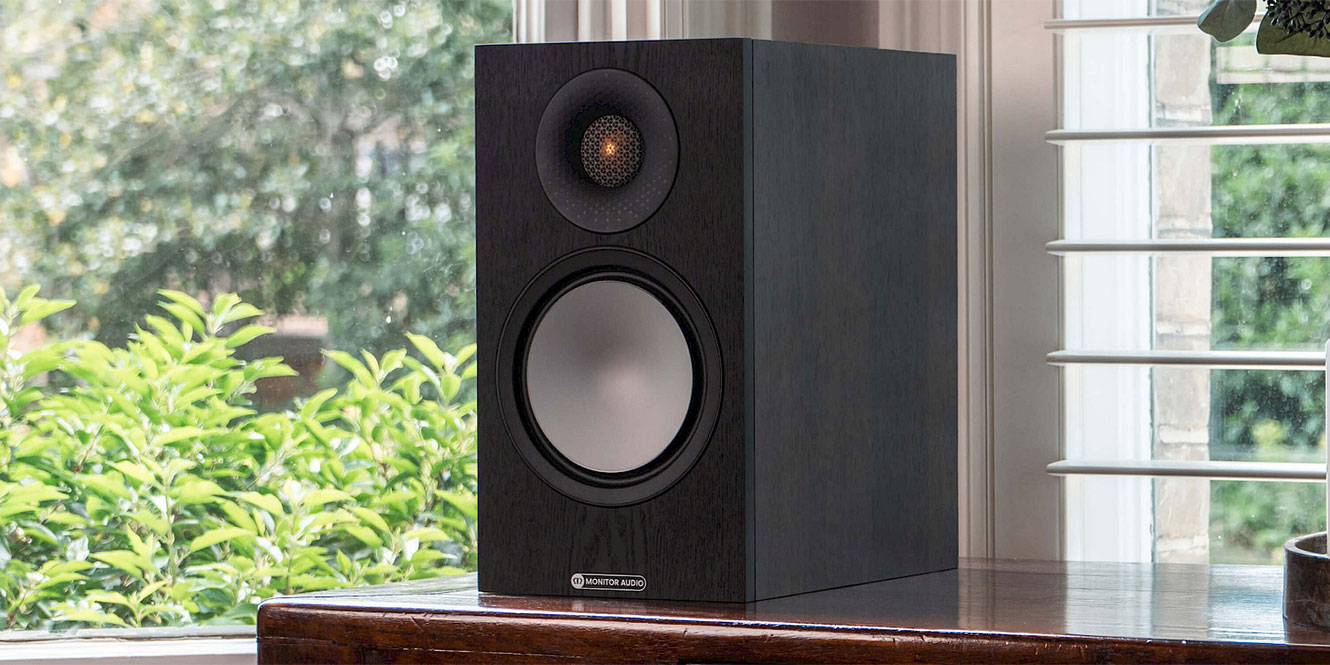
Frequency response is basically how a speaker handles different parts of the sound spectrum, from low bass to higher treble. This is where you start to understand why different speakers can have a recognisable sound. Monitor Audio, for example, can often feel a bit brighter and more forward than something like DALI, which may come across smoother or warmer depending on the model and setup.
If you played the same test tones or frequency sweep through a Monitor Audio Bronze 50 7G, a DALI Menuet, and a Focal Theva N1, they wouldn’t all react in the same way. Even though they’re all bookshelf or standmount speakers, the frequency response curve will be different because of how each speaker is designed.
Driver materials, cabinet size, crossover design, port placement, baffles, tweeter position, and internal bracing all play a part. There’s a lot to it, basically.
You don’t need to go full science mode, though. Play a slow frequency sweep at a sensible volume and listen for anything that jumps out, disappears, or sounds uneven. Then go back to music you know and check whether that matches what you heard.
Evaluate the stereo imaging and soundstage
Stereo imaging and soundstage are two of those hi-fi terms that sound more complicated than they are. Really, you’re just listening for where things appear to sit between the speakers.
A good stereo image should give you a clear centre point. Vocals should usually feel like they’re coming from the middle, not vaguely floating somewhere near one speaker. Instruments should have a bit of space around them too. If everything sounds like it’s piled up in one lump, the speaker might not be giving you the separation you want.
Soundstage is more about scale. Does the music feel flat and stuck to the boxes, or does it spread out a bit? Some speakers make everything feel close and direct, while others give you more width and depth. Neither is automatically better, but it changes how you experience the music.
To test this properly, sit in the middle of the speakers and keep them roughly the same distance from you. Try small changes in toe-in as well; a slight angle can make a big difference. Use tracks with clear vocals, live recordings, or anything where you already know where the instruments should be. If the speakers start to disappear a bit, that’s usually a very good sign.
FAQs
What is the 83% rule for speakers?
The 83% rule for speakers states that the distance between the two speakers should be about 83% of the distance from each speaker to the main listening position. This setup can improve stereo imaging, balance, and soundstage focus.
What is the “golden rule” for speaker placement?
The “golden rule” for speaker placement is to form an equilateral triangle between the speakers and the main listening position. Keep both speakers equally distant from the listener and angle them inward slightly for clearer, more balanced stereo sound.
How do I test if a speaker is blown?
To test if a speaker is blown, play clean audio at a moderate volume and listen for buzzing, rattling, distortion, weak bass, or silence. Swap cables or channels to isolate the issue, then use a multimeter to check continuity with the power disconnected.
Final thoughts
Learning how to test a speaker properly is really about making sure it suits you, your room, and the way you actually listen.
Specs and reviews can help, but they won’t tell you everything. Check the build, use music you know, listen for balance, and pay attention to how the sound sits between the speakers.
A good speaker should work in the background and still hold your attention when you sit down properly.





0 Comments